|
 |
|
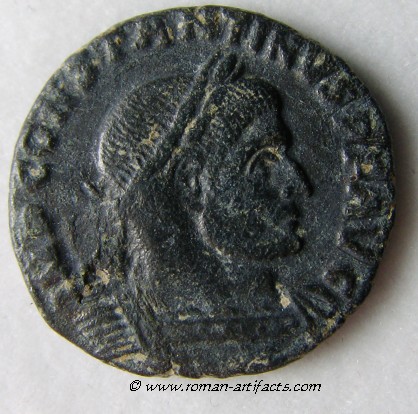
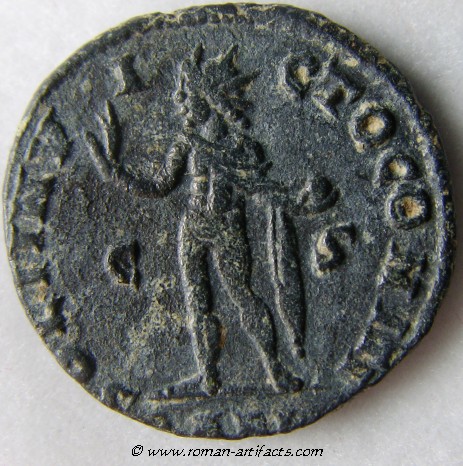
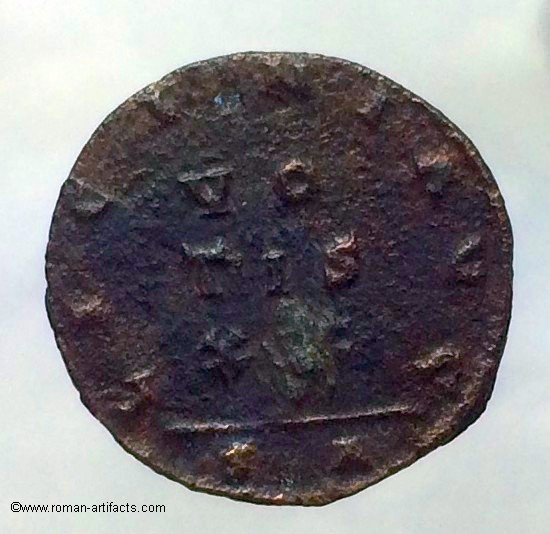
Constantine the Great AE Follis. 315-316 AD.
OBVS: IMP
CONSTANTINVS PF AVG, (different bust than listed
in RIC Laureate, cuirassed bust right)
REV: SOLI INVICTO
COMITI, Sol standing left with orb and raising right hand, C-S/PARL
in ex.
Arles RIC VII 57
(CLICK FOR LARGE PICTURES) |
|
|
 |
|
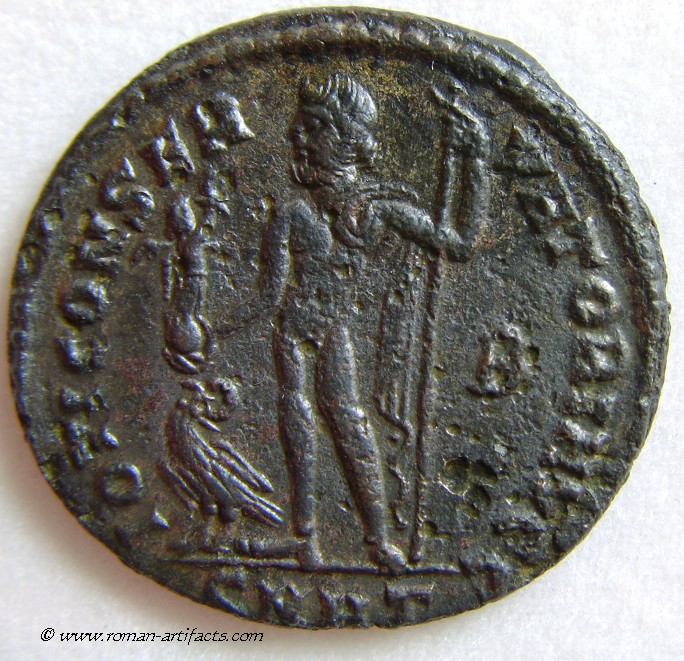
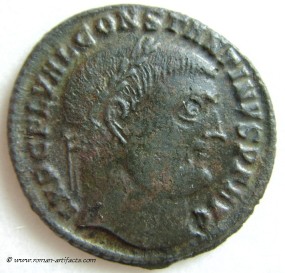
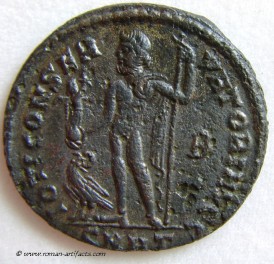
Imperial Rome, Constantine the Great
307 - 337 AD. AE-Follis of 313
AD.
Obverse:
IMP. C. FL. VAL. CONSTANTINVS P.F. AVG.,
his laureate head rt.
Reverse:
IOVI CONSERVATORI AVGG, Jupiter standing
lt., holding Nike and a sceptre, and eagle stands before him, B in
rt. field, SMHT in ex. RIC.VI.5.
Heraclea Mint. 4.27g.
(CLICK FOR LARGE PICTURES) | |
|
 |
|
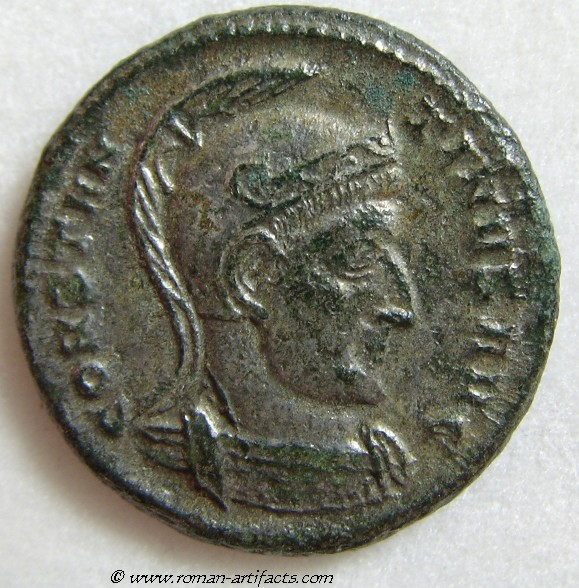
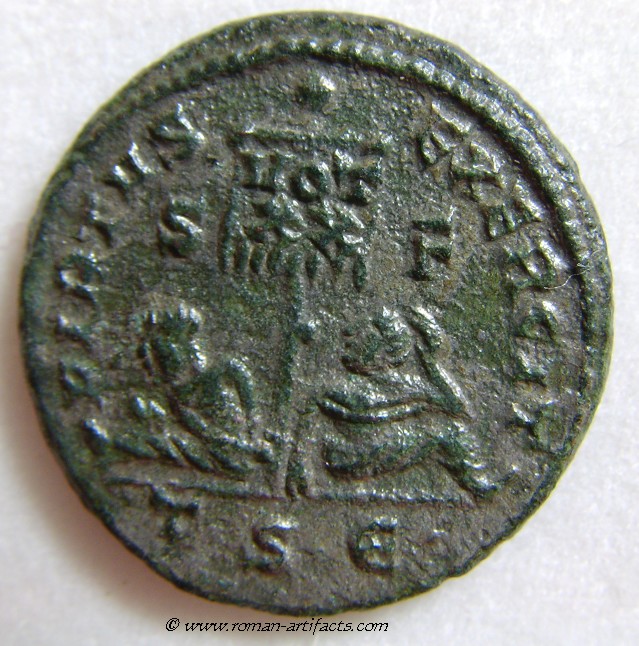
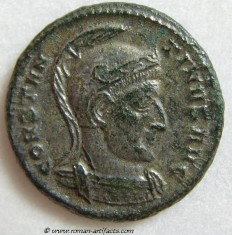
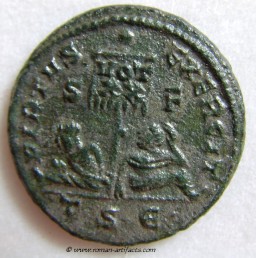
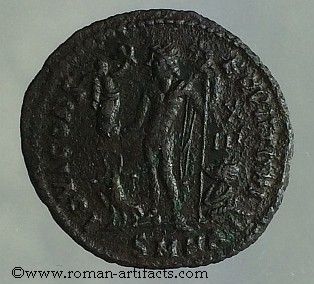
Imperial Rome, Constantine the Great 307 - 337 AD.
AE3 Obv: CONSTANTINVSAVG - Helmeted,
cuirassed bust right.
Rev: VIRTVSEXERCIT Exe: TS - Vexillum reading VOT/XX; seated captive
on either side. 320 EF with a substantive
amount of silvering remaining. RIC VII 75 (Thessalonica)I
(CLICK FOR LARGE PICTURES) |
|
|
 |
|
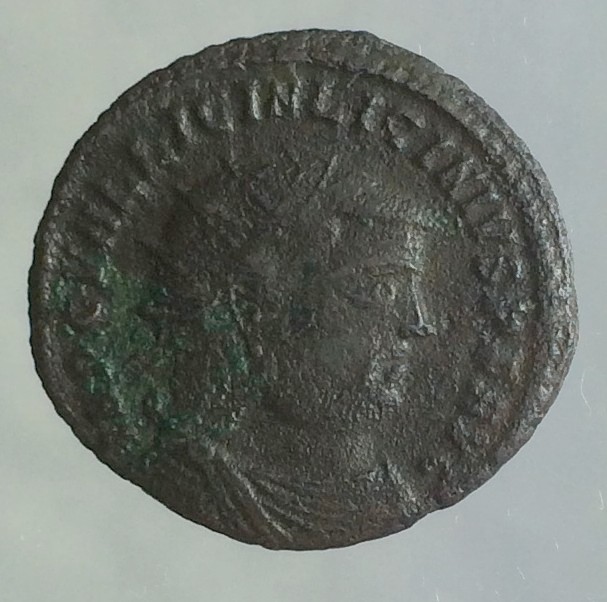
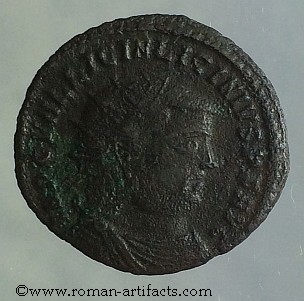
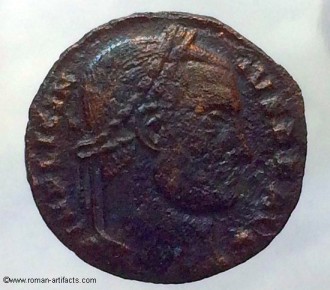
Licinius I
308-324 AD
Obv: IMP C VAL LICIN LICINIVS P F AVG Radiate bust right,
draped and cuirassed
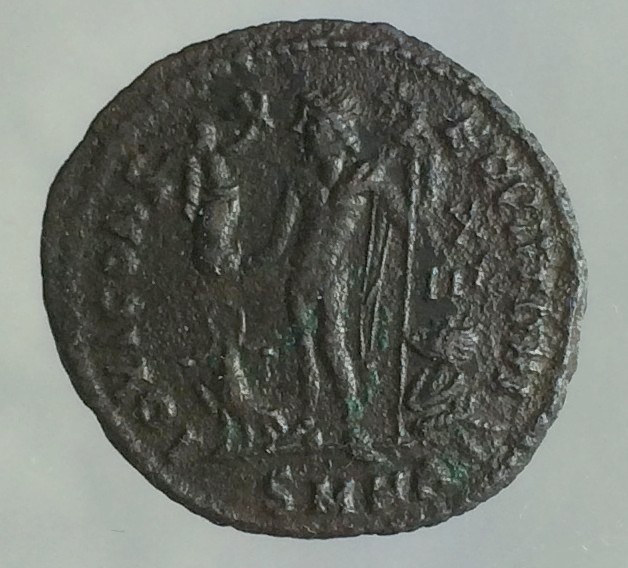
Rev: IOVI CONS-ERVATORI Jupiter standing left, holding Victory on a
globe and scepter, at feet, left, an eagle with wreath in beak, at
right, a captive.
Exe: SMN (delta) / "x" over | II (gamma) Nicomedia mint: AD 321-324
= RIC VII, 44
(CLICK FOR LARGE PICTURES) | |
|
 |
|
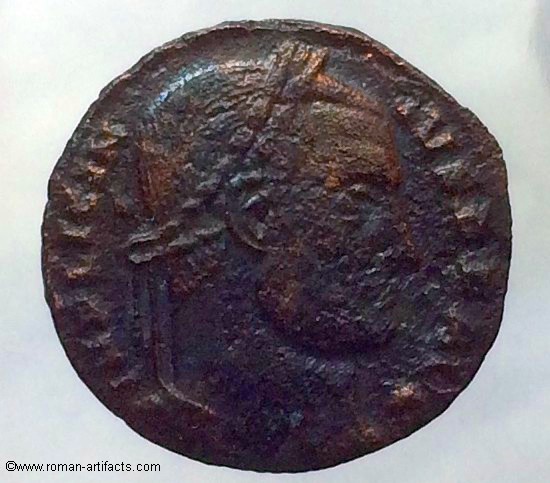
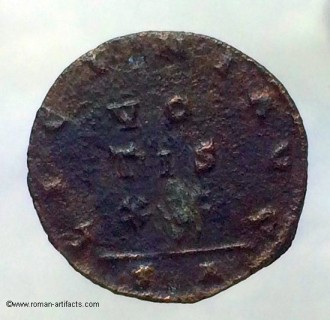
Licinius I
308-324 AD
18mm 1.7 g
Obv: IMP C VAL LICIN LICINIVS P F AVG Laureate head right.
Rev: LICINI AVG, around VO TIS XX
Exe: SA, Arles = RIC 209
(CLICK FOR LARGE PICTURES) | |
|
 |
|
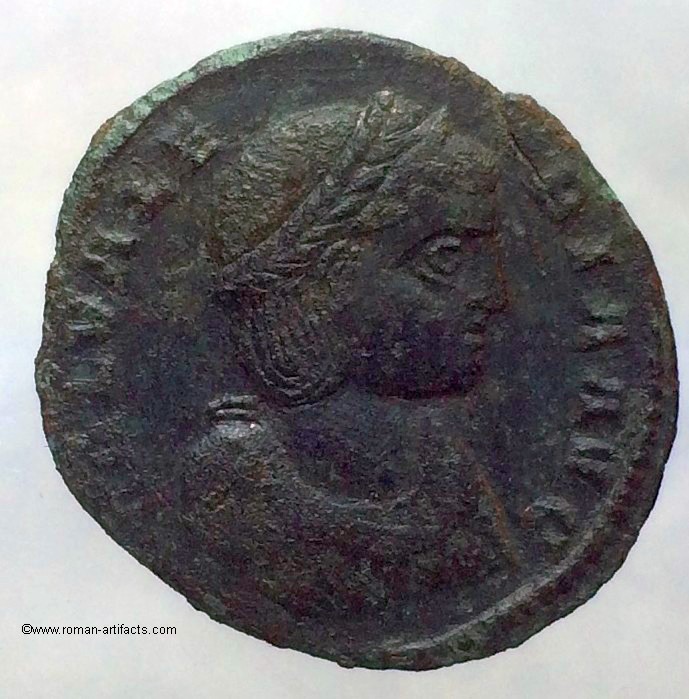
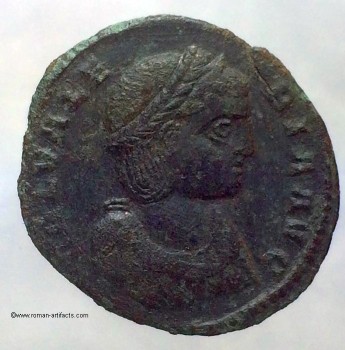
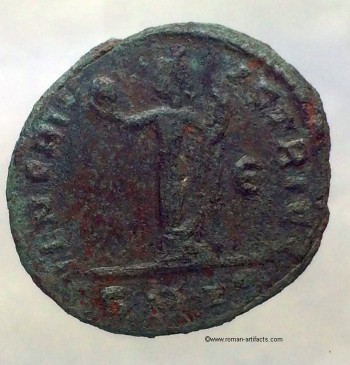
Galeria Valeria
308 AD (Augusta) Died 315 AD
Obv: GALVALE-RIAAVG bust right, draped.
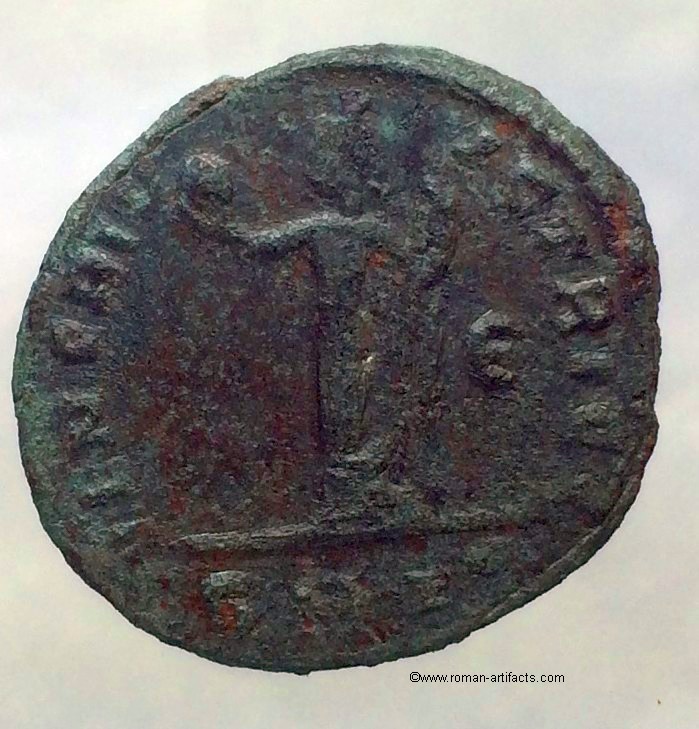
Rev: VENERIV-ICTRICI Venus standing facing, head left., right
holding up globe, raising drapery over l. shoulder. Є in right
field.
•SM•TS• in exergue unlisted in RIC with Є
(CLICK FOR LARGE PICTURES) | |
|
 |
|
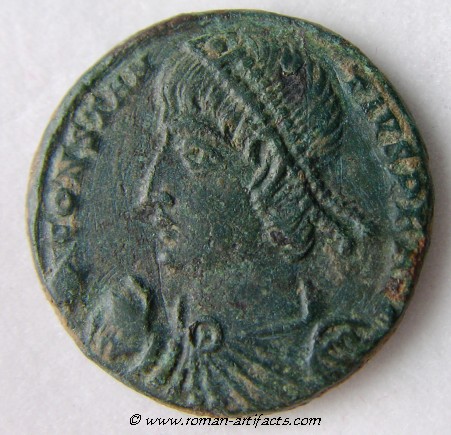
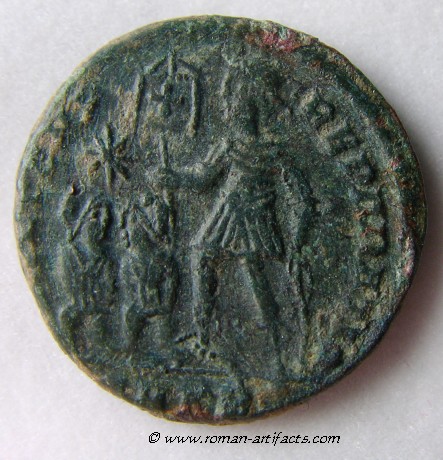
Constantius II (Augustus) AE2
Ruled: 337-360 AD
OBVS: DNCONSTANTIVSPFAVG - Laureate,
draped and cuirassed bust right.
REV: FELTEMPREPARATIO - Constantius II
standing left, holding labarum (with CROSS
instead of chi-rho) and resting hand on shield; two
captives to left. Exergue: *,
SMHB
Mint:Heraclea (348-351)References:
• RIC 72 (VIII, Heraclea)
Less common with the cross in the labarum.
(CLICK FOR LARGE PICTURES) |
|
|
|
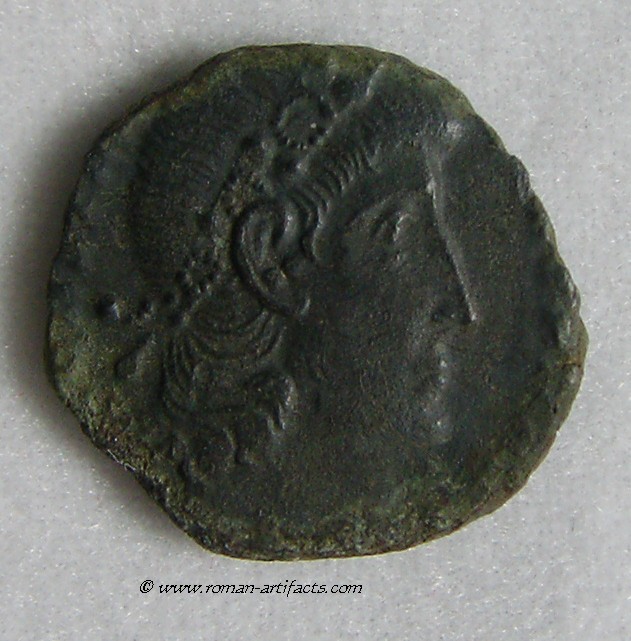
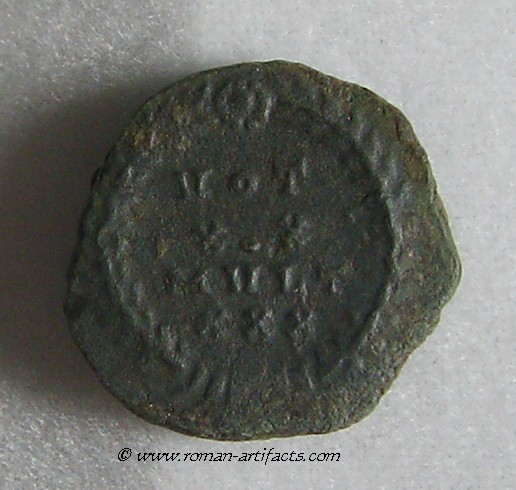
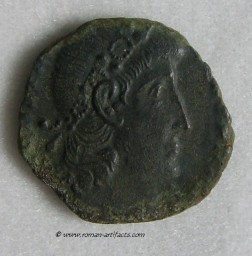
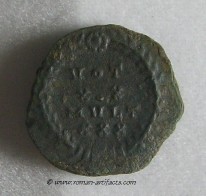
Constantius II (Augustus) AE2 .
Ruled: 337-360 AD
Obverse: DN CONSTAN-TIVS PF AVG, pearl-diademed head right
Reverse: VOT XX MVLT XXX in four lines within wreath.
Mintmark SMND.
RIC VIII Nicomedia 49
(CLICK FOR LARGE PICTURES) |
|
|
|
|
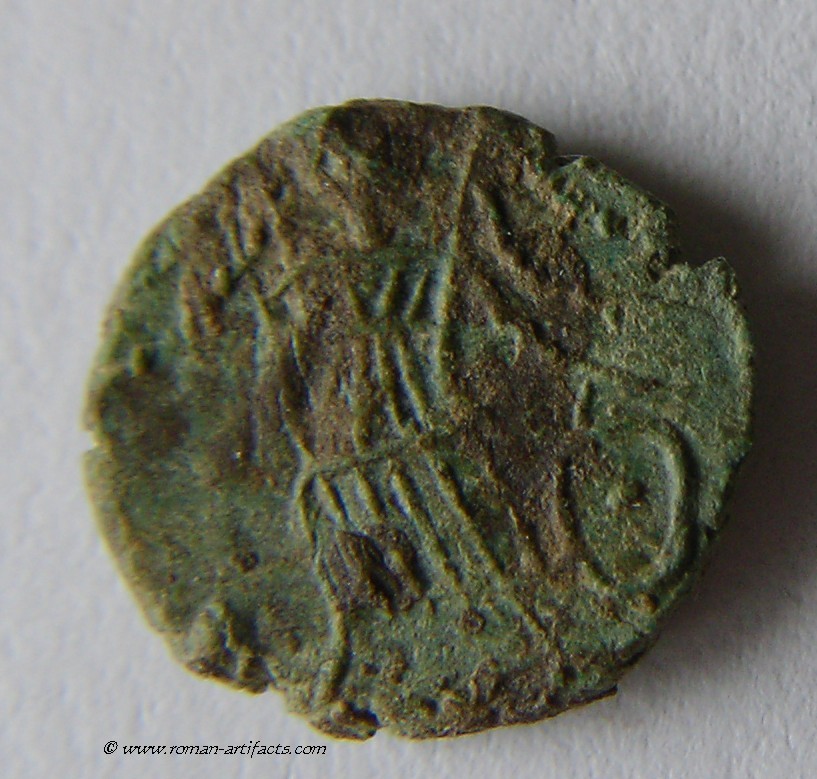
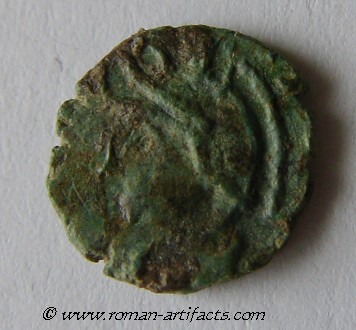
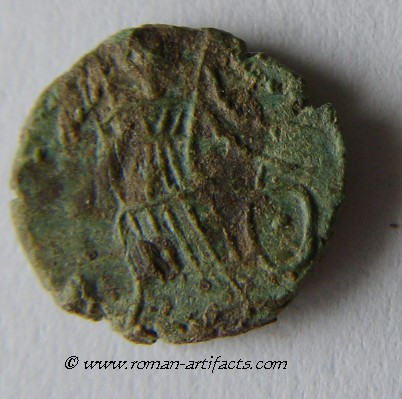
Contemporary Forgery of Constantine I Similar to the following style A.D. 334- Sept. 335
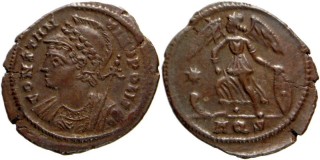
Obverse. CONSTAN-TINOPOLIS laureate, helmeted, wearing imperial
mantle, holding cross- scepter with a globe.
Reverse. Victory stg. on prow, holding long scepter in r. hand, and
resting l. hand on shield.
Information:
Examples of 4th century barbarous coins can be much smaller than
even this coin. At 9mm it is not untypical for British imitations
which the patina on your coin suggests as well. There were several
periods of what Boon coined "epidemic" counterfeiting, as opposed to
"endemic" (normal 'background' level) counterfeiting. The
epidemics are periods when counterfeiting becomes rampant and
the module of the counterfeits declines steadily down to tiny
minimi.
The particular epidemic which spawned the copy in question here
began with the reform of AD 335 and which produced copies of GLORIA
EXERCITUS (both types) and the Constantinian commemoratives (both
types) in a steadily declining module down to 7mm / 0.3gm and
occasionally even smaller (see Bastien ANSMN 30, pp. 144-145 and for
detailed metrology pp. 149-151).
This epidemic continued until the reform of 348 in which all
previous bronze coinage was demonetized and the FEL TEMP REPARATIO
half-maiorina introduced.)
|
|
|
|
|
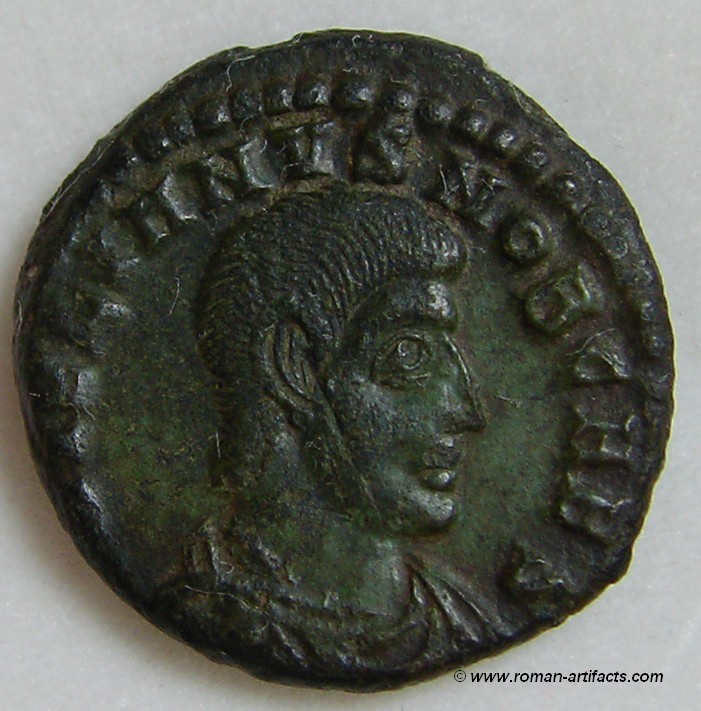
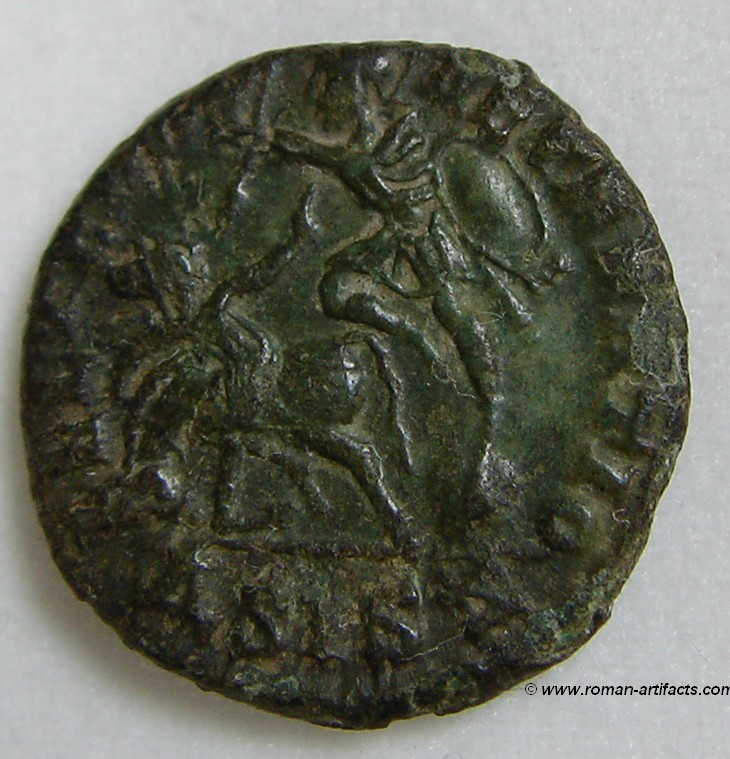
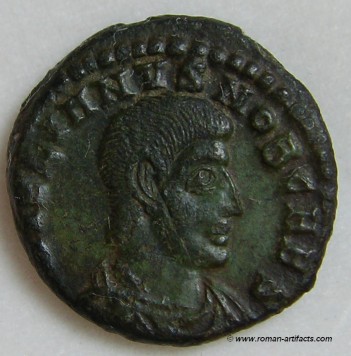
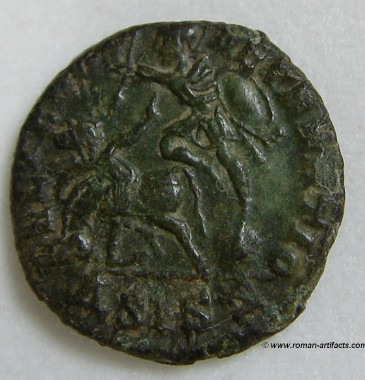
Julian II Caesar
Caesar: 355-360 AD
OBS: D N IVLIA-NVS NOB C, draped &
cuirassed bust right /
REV: FEL TEMP-REPARATIO, soldier
spearing fallen horseman who is wearing a Phrygian helmet, reaching
backwards, DSISL in ex.
Mint: Siscis RIC 382
(CLICK FOR LARGE PICTURES) |
|
|
|
|
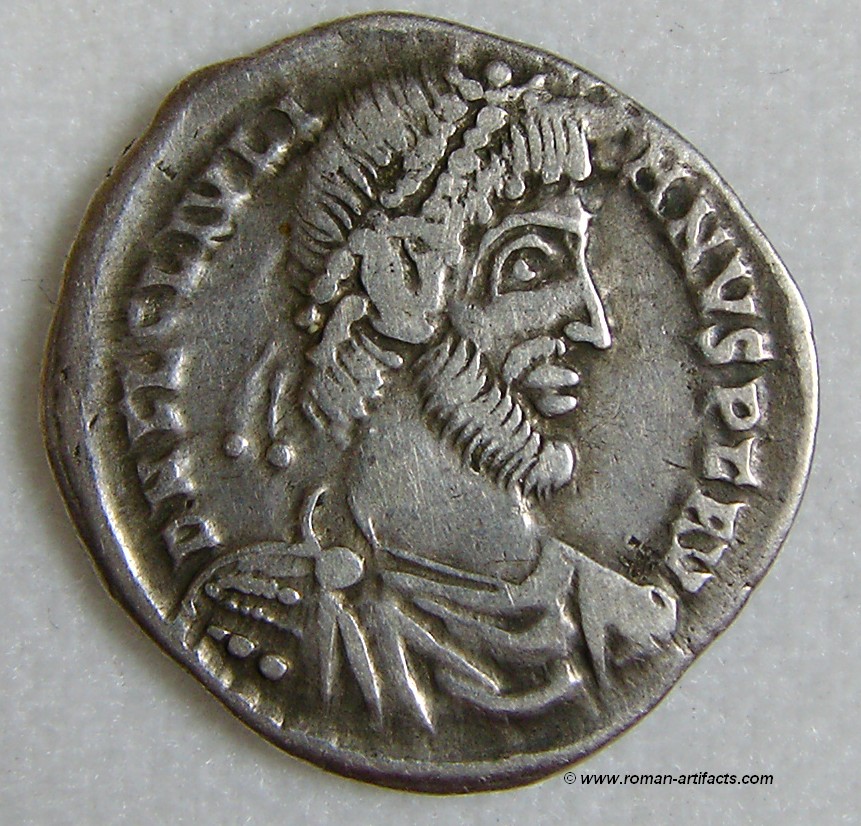
Julian II as Augustus Ruled: 360-363 AD
*History Note*
Julian II was the last Roman Emperor who was
Pagan, as indicated by his many coins with Bulls and other Pagan
symbols on them. Julian however was also in favor on
polytheism, in which Christianity was not repressed as much as ALL
religions were allowed to continue. Julian also began many reform to
try and streamline the administration and government itself.
Julian was also the last emperor who ruled the entire empire for a
lengthy period of time (Theodosius I did for a short period in 394
AS). Sadly Julian died in battle after major victories in
Persia, and the armies subsequent withdrawal.
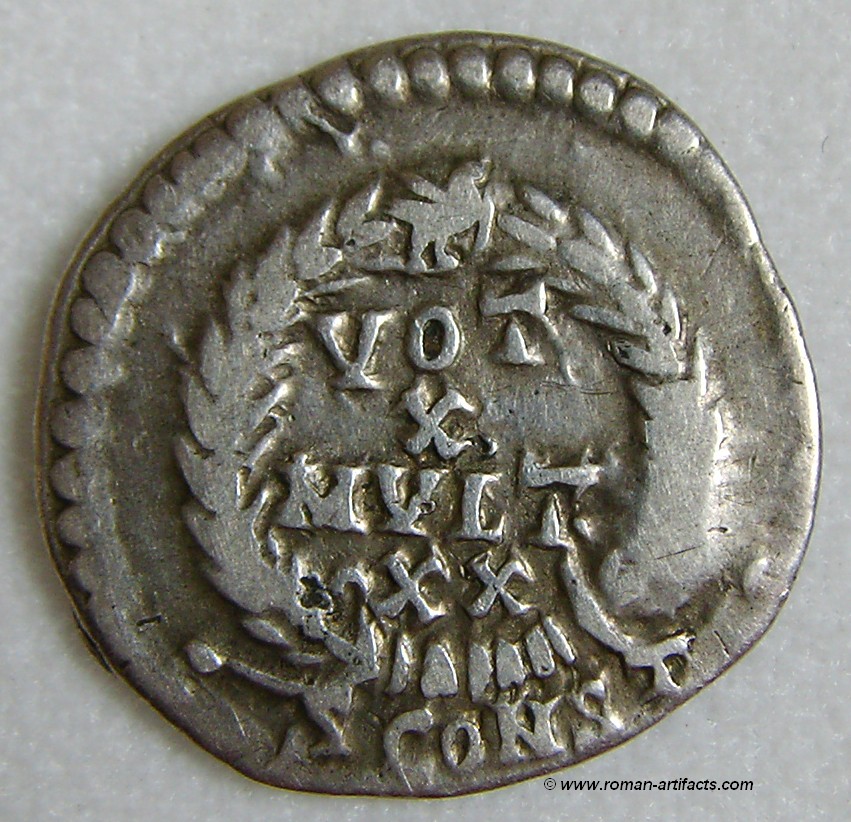
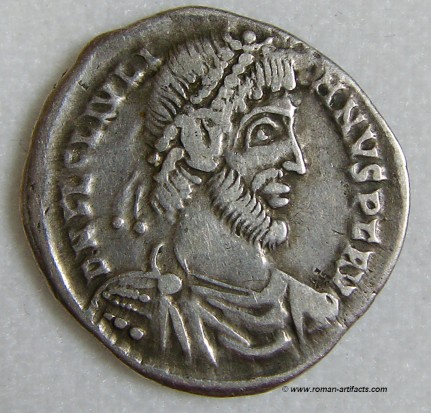
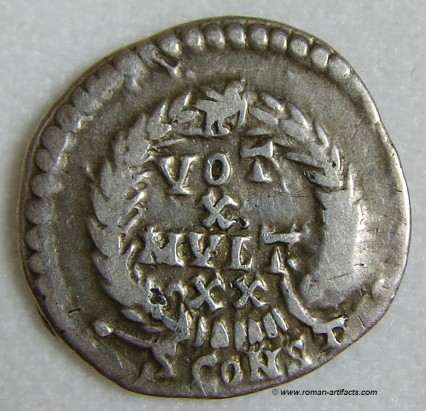
A 18mm Silver Siliqua. 361-363 AD
OBVS: DN FL CL IVLI-ANVS PF AVG,
pearl-diademed, draped and bearded bust right /
REV: VOT X MVLT XX within laurel wreath,
eagle in badge at top of wreath, SCONST in ex
Mint: Arles RIC 309
(CLICK FOR LARGE PICTURES) |
|
|
|
|
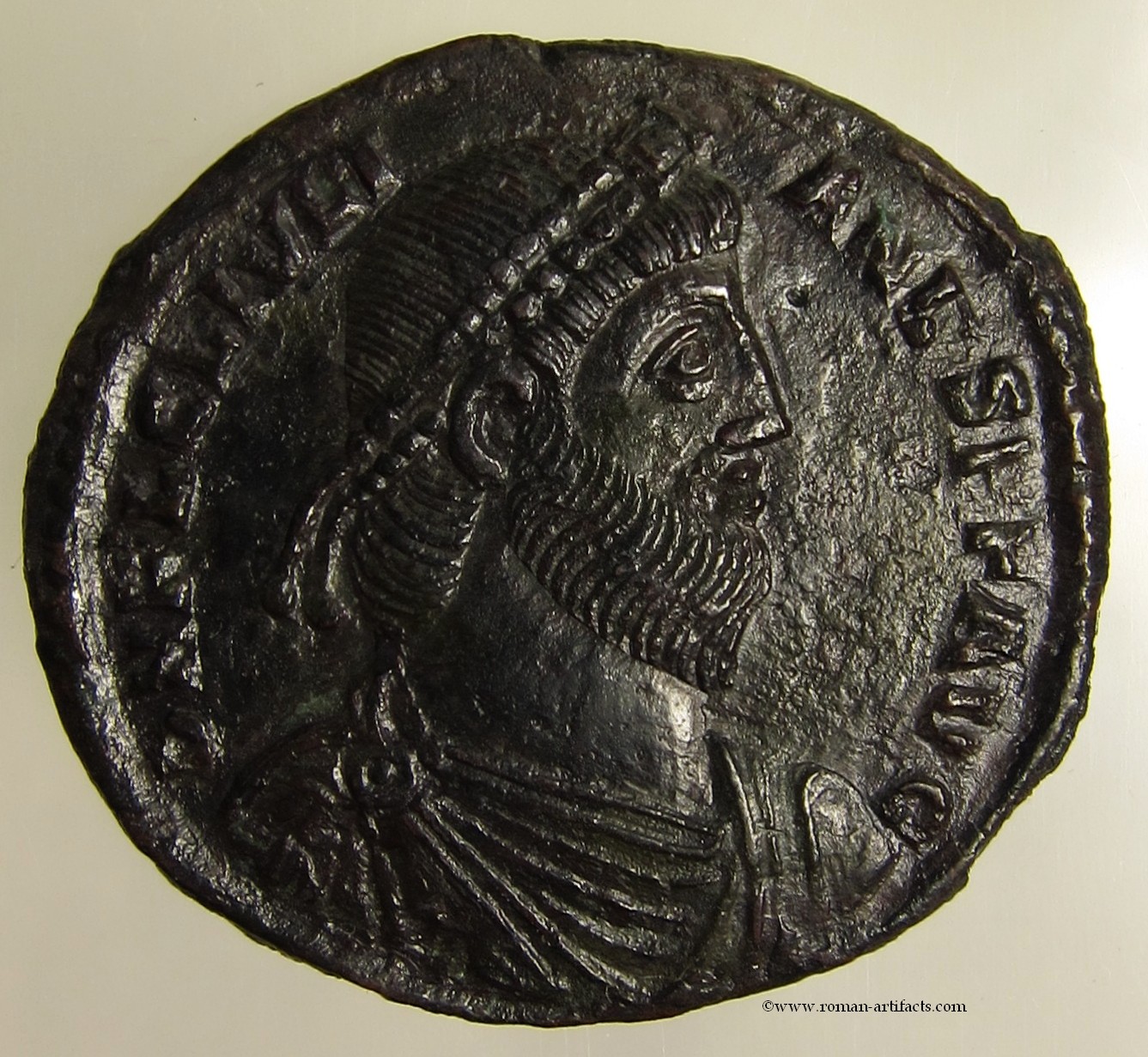
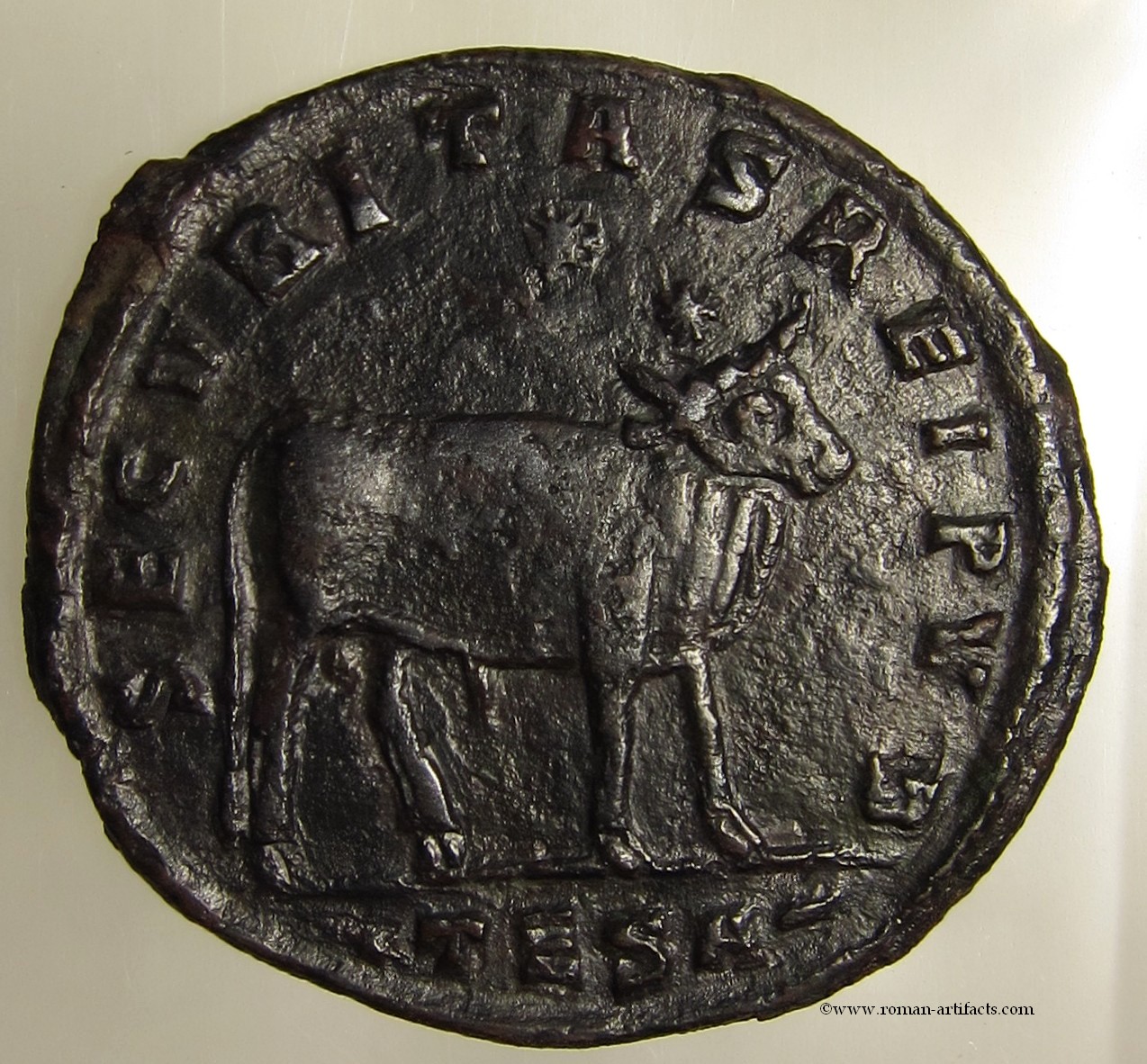
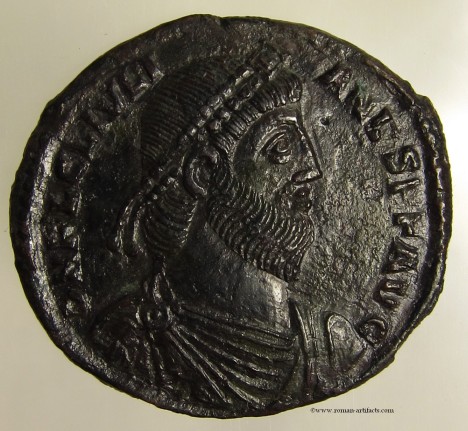
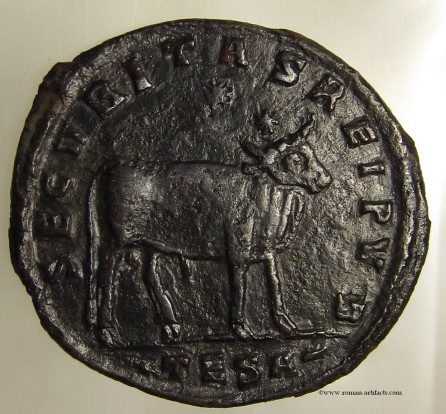
Julian II as Augustus Ruled: 360-363 AD
AE1, 6.9g, 29mm
OBVS: Head of Julian II right, with
DN FL CL IVLIANVS PF AVG around.
REV: Bull standing right, with two stars above,
SECVRITAS REIPVB around, and the
mint mark
Mint: Thessalonica, 2nd officina
Extremely well struck on both sides with a nice dark patina. Rare
mint and coin.
RIC 225
(CLICK FOR LARGE PICTURES) |
|
|
|
|
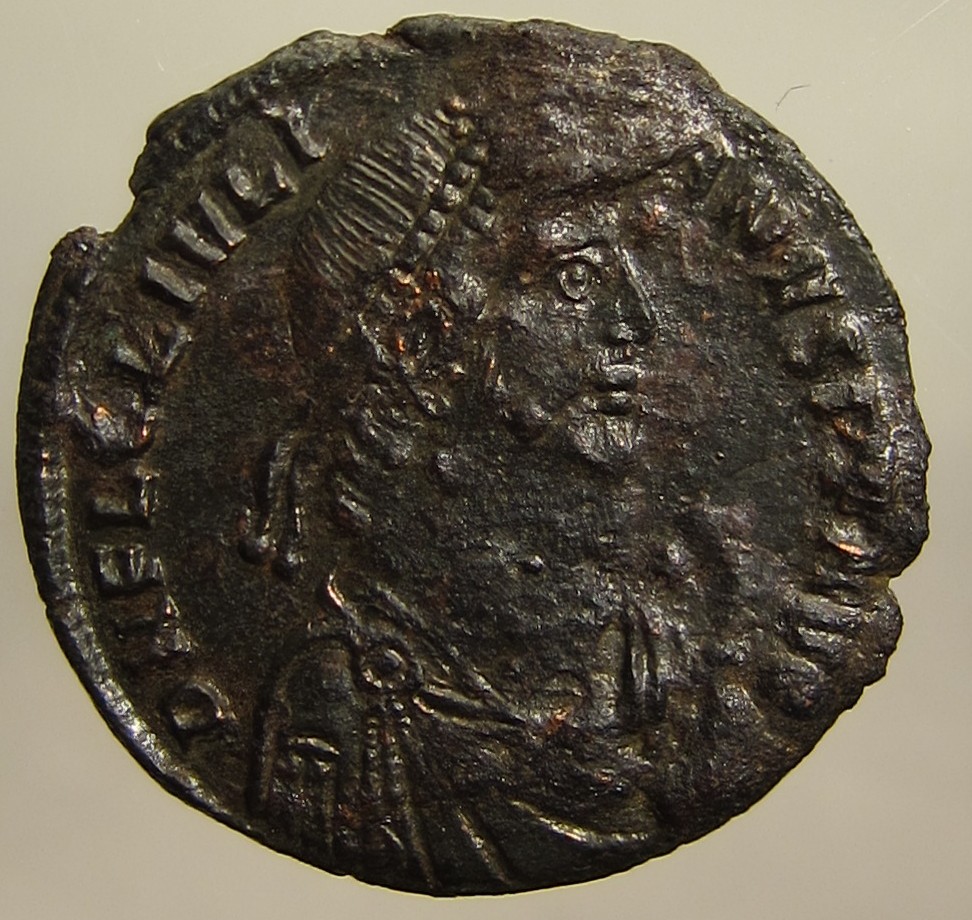
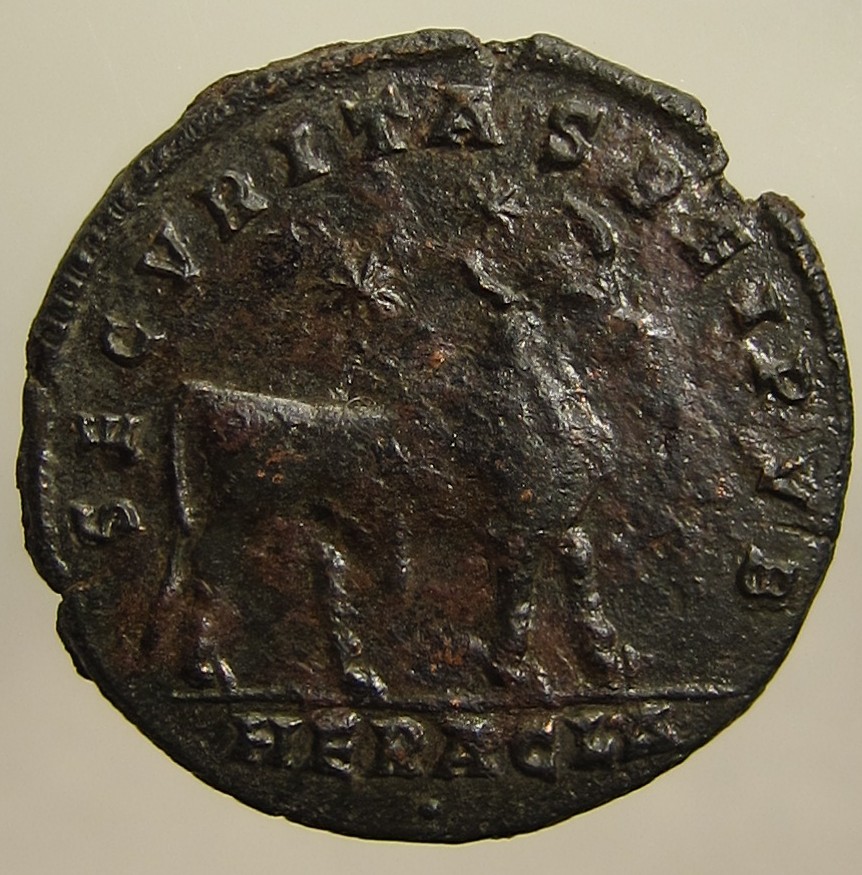
Julian II as Augustus Ruled: 360-363 AD
AE1, 6.9g, 29mm
OBVS: Head of Julian II right, with
DN FL CL IVLIANVS PF AVG around.
REV: Bull standing right, with two stars above,
SECVRITAS REIPVB around, and the
mint mark
Mint: Heraclia
Well struck with some die erros. A nice dark patina. Rare
mint and coin.
RIC 104 |
|
|
|
|
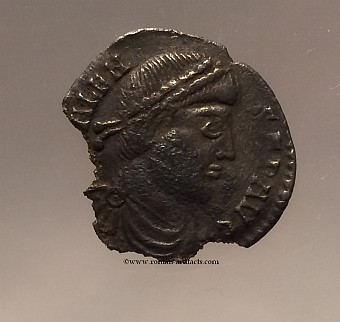
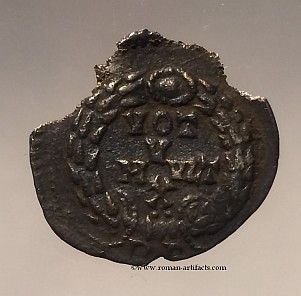
Julian II as Augustus Ruled: 360-363 AD
Silver Siliqua
OBVS: DN CL IVLI-ANVS AVG, pearl-diademed, draped & cuirassed
bust right
REV: VOTIS V MVLTIS X in four lines within wreath, TR-palm
branch in ex.
Mint: Tier (TR) RSC
157†b.
(CLICK FOR LARGE PICTURES) |
|
|
|
|
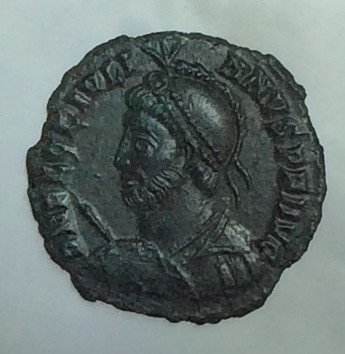
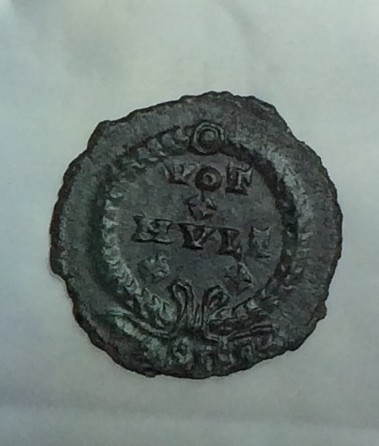
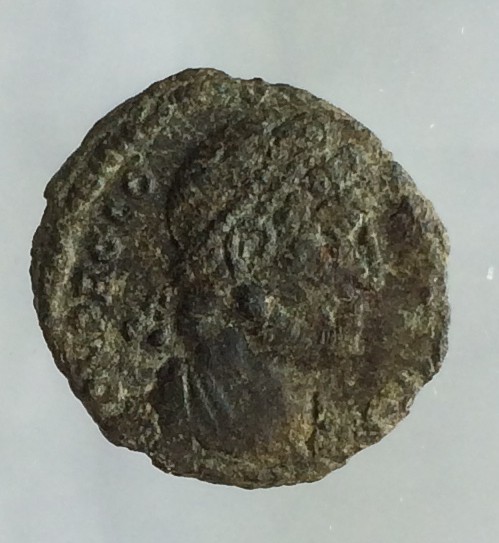
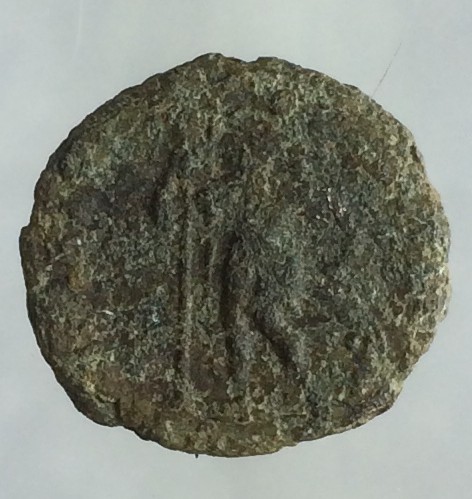
Julian II as Augustus Ruled: 360-363 AD
OBVS: DN FL CL IVLI-ANVS PF AVG, helmeted,
pearl-diademed, cuirassed bust left, holding spear and shield
REV: VOT X MVLT XX in four lines within a wreath with a fancy
bow
Mint: Mintmark BSIRM
Extremely well struck on both sides with a nicegreen patina.
RIC 108 |
|
|
|
|
Procupius Ruled/Usurper: 363-366 AD
OBVS: DN PROCO-PIVS PF AVG, pearl diademed, draped, cuirassed
bust right
REV: REPARATI-O FEL TEMP, Emperor standing facing, head
right, holding labarum and resting left hand on shield.
Mint: Constantinople
Hard emperor to find coins of, but this one has a clear atribution RIC
6 |
|
|
|
|
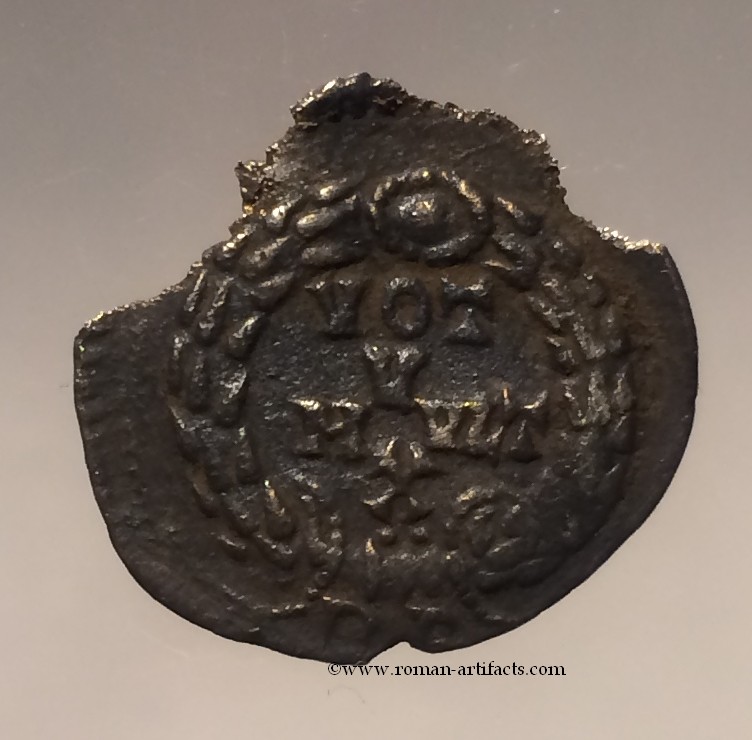
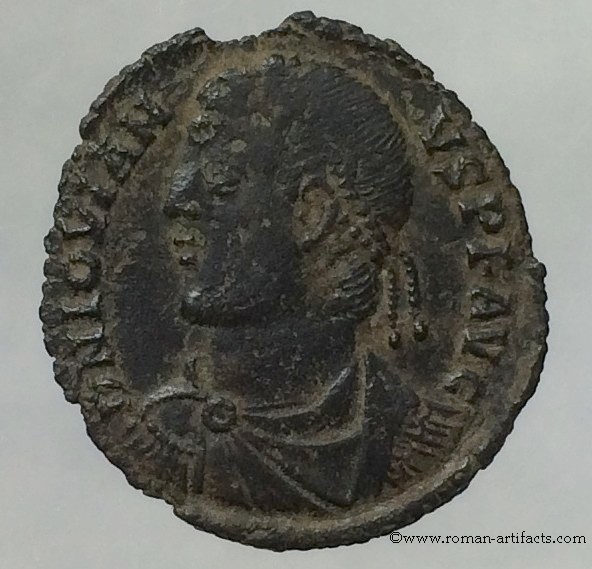
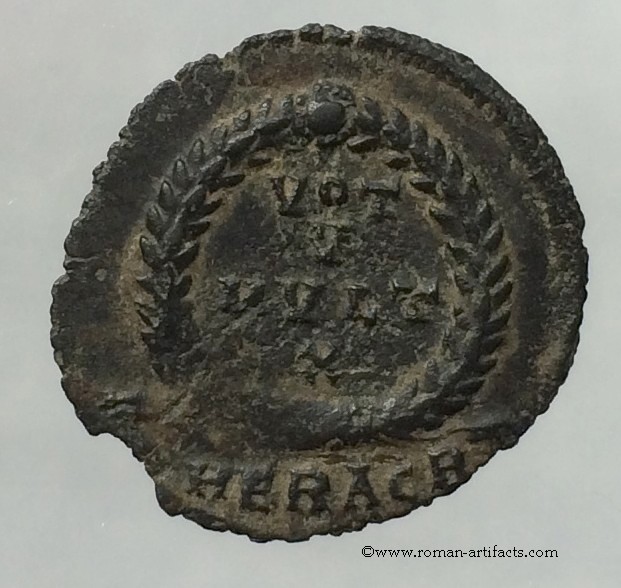
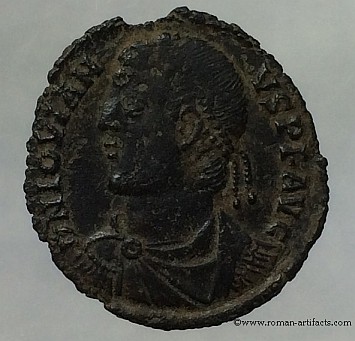
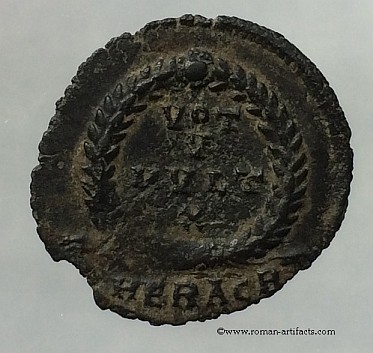
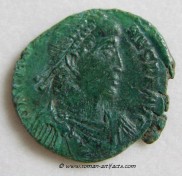
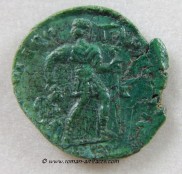
Jovian Ruled: 363-364 AD
AE3 19mm
OBVS: D N IOVIAN-VS P F AVG - Diademed bust left, draped and
cuirassed.
REV: VOT V MVLT X - Within wreath.
Mint: Heraclea
RIC 110
(CLICK FOR LARGE PICTURES) |
|
|
|
|
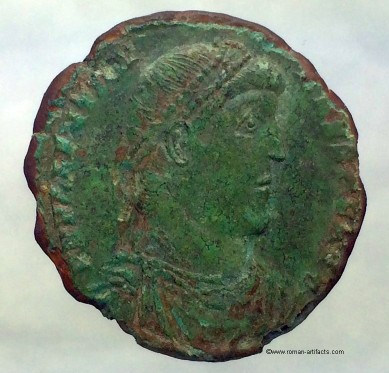
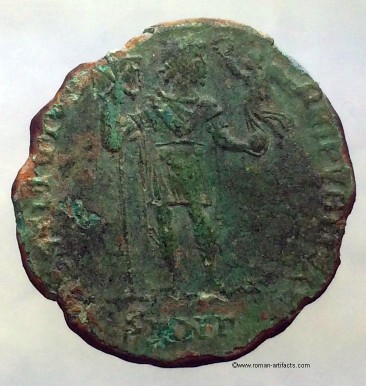
Valentinian I
Ruled: 364-375 AD
Obverse: DN VALENTINIANVS PF AVG, laureate, draped & cuirassed bust
right
Reverse: GLORIA ROMANORVM, emperor dragging captive, holding labarum,
BSIRM in ex.
Rated Rare in RIC. Sirmium RIC 4a
364 AD.
(CLICK FOR LARGE PICTURES) |
|
|
|
|
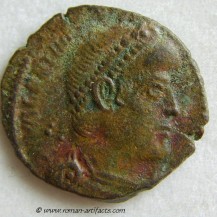
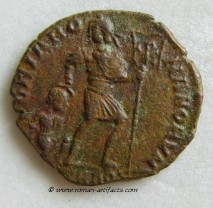
Valentinian I
Ruled: 364-375 AD
AE1 27mm 6.9g
Obverse: DN VALENTINIANVS PF AVG, pearl-diademed draped bust right
Reverse: RESTITVTORI REI PVBLICAE, Emperor standing facing,
head right, holding standard and wreath-bearing Victory on globe.
SMNT in ex.(NICOMEDIA)
RIC 15
rare
(CLICK FOR LARGE PICTURES) |
|
|
|
|
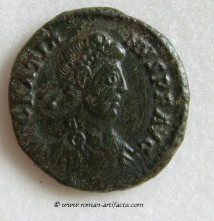
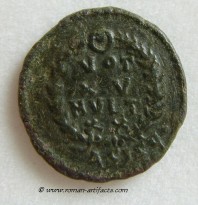
Valentinian I
Ruled:
364-375 AD
Obverse: DN VALENTINIANVS PF AVG, laureate, draped & cuirassed bust
right
Reverse: GLORIA ROMANORVM, emperor dragging captive, holding labarum,
BSIRM in ex.
Rated Rare in RIC. Sirmium RIC 4a 364 AD.
(CLICK FOR LARGE PICTURES) |
|
|
|
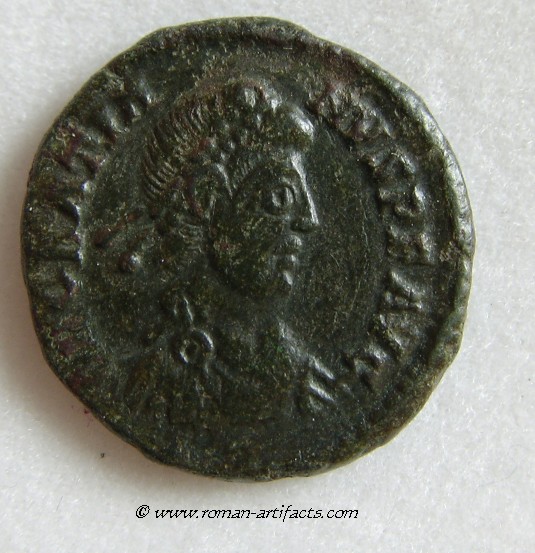
Gratian (Co-Western Emperor)
Ruled: 367-383 AD
Obverse: DNGRATIANVSPFAVG - Diademed, draped and cuirassed bust
right.
Reverse: VOT/XV/MVLT/XX Exe: A/SISC - Wreath, legend within. [RIC
emission I is for officina A].
378-383 Siscia mint.
RIC 31a.1 (Siscia) LRBC 1539
**Note: He attempted to assist
Emperor Valens at the battle of Adrianople in 378 AD. Valens
however went into battle without the extra troops and was defeated
by the Gothic forces. The whole veteran Eastern legions were
destroyed and the Emperor slain. Many historians consider this
a huge turning point in Roman History, as the army never recovered
from this and the resulting Barbarian incursions devastated the
lands. In 476 AD the western empire no longer existed.
See
here for more detailed
information.
(CLICK FOR LARGE PICTURES) |
|
|
|
|
|
|
|
|
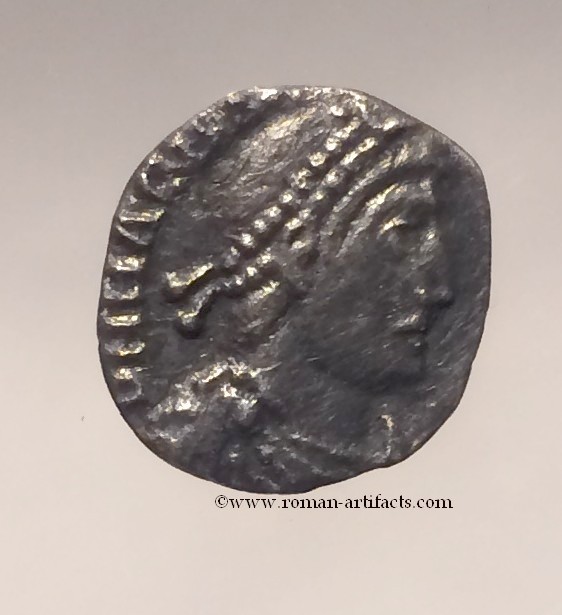
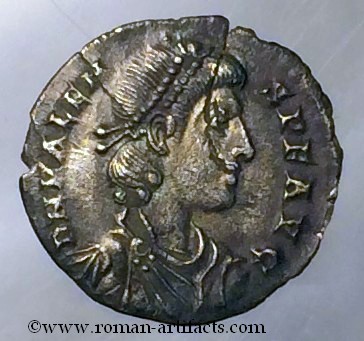
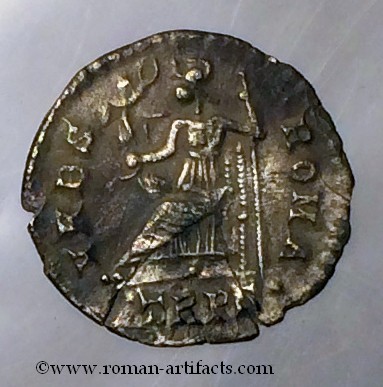
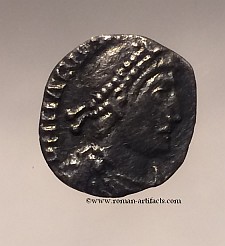
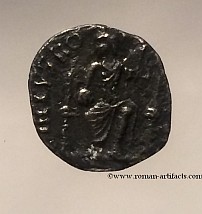
Valens (Eastern Emperor) Ruled: 364-378 AD
Silver Siliqua
Obverse: D N VALEN-S P F AVG - Diademed bust right, draped and
cuirassed.
Reverse: VRBS ROMA Roma seated left, holding Victory & sceptre,
TRPS in ex..
RIC 27b
Mint: Trier
**Note: Valens was killed in battle
in 378 AD fighting a large Gothic invasion/rebellion at Adrianople.
Nearly 10,000 veteran legionaries from the Persian frontier were
killed in the battle. Considered the worst Roman defeat since
the Battle of Canae, Valens pushed ahead into battle without proper
scouting and without waiting for the Western Legions who were not
far away to help re-enforce the army. Many historians consider
this a huge turning point in Roman History, as the army never
recovered from this and the resulting Barbarian incursions
devastated the lands. In 476 AD the western empire no longer
existed.
See
here for more detailed
information.
(CLICK FOR LARGE PICTURES) |
|
|
|
|
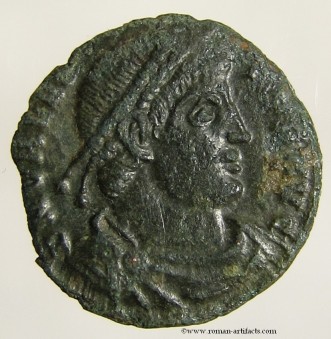
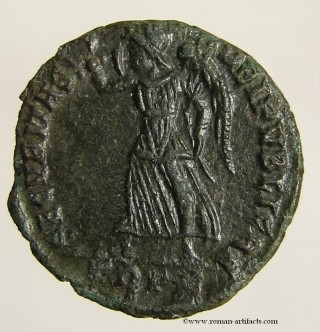
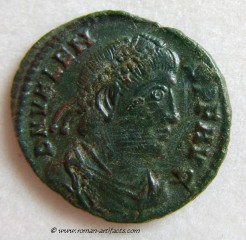
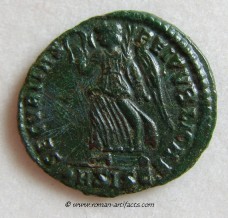
Valens (Eastern Emperor) Ruled: 364-378 AD
Obverse: D N VALEN-S P F AVG - Diademed bust right, draped and
cuirassed.
Reverse: SECVRITAS REIPVBLICAE - Victory advancing left, holding
wreath and palm. RIC 10b
Mint: Possibly Heraclea SMHA
(CLICK FOR LARGE PICTURES) |
|
|
|
|
Valens (Eastern Emperor) Ruled: 364-378 AD
Obverse: D N VALEN-S P F AVG - Diademed bust right, draped and
cuirassed.
Reverse: SECVRITAS REIPVBLICAE - Victory advancing left, holding
wreath and palm.
Exe: (dot) ASISC (2nd Emission) Siscia mint: AD 364-367 = RIC IX,
7b, page 146 - Cohen 37/ 3.58 g.
(CLICK FOR LARGE PICTURES) |
|
|
|
|
|
|
|
|
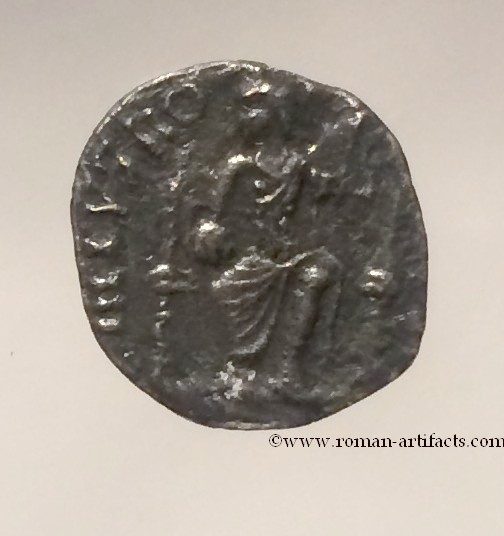
Magnus Maximus
Usurper 383-388 AD
AR Siliqua, 1.51 gr, 17.65 mm.
Observe: DN MAG MA-XIMVS PF AVG,
pearl-diademed, draped and cuirassed bust right
Reverse: VIRTVS RO-MANORVM, Roma seated facing
on throne, head left, left leg bare, holding globe and inverted
spear.
Mintmark AQPS. RIC IX Aquileia
(CLICK FOR LARGE PICTURES) |
|
|
|
|
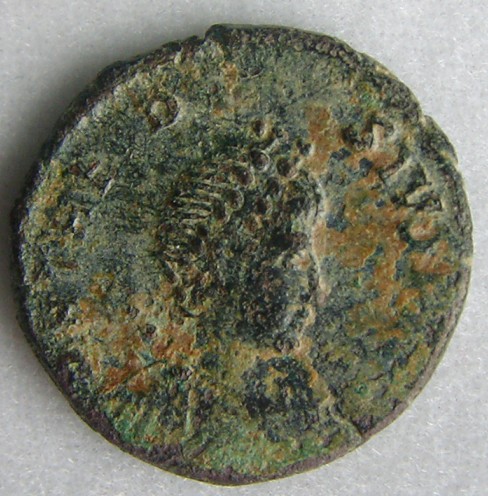
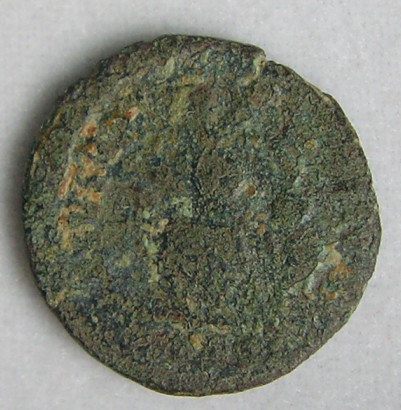
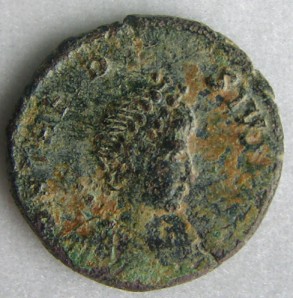
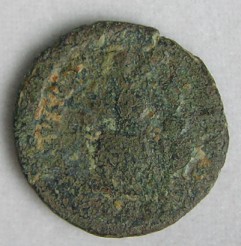
Theodosius I (Eastern
Emperor)
379-395 AD 12.5mm AE4
OBVS: DN THEODO-SIVS PF AVG, pearl
diademed, draped, cuirassed bust right
REV: SALVS REI-PVBLICAE,
Victory advancing left, dragging captive (upright)
and carrying trophy on shoulder.
Mintmark SMKB.
RIC 26b (mint mark hard to
read, however this style has a similar die to this example,
therefore I went with the Cyzicus mint)
(CLICK FOR LARGE PICTURES) |
|
|
 |
|
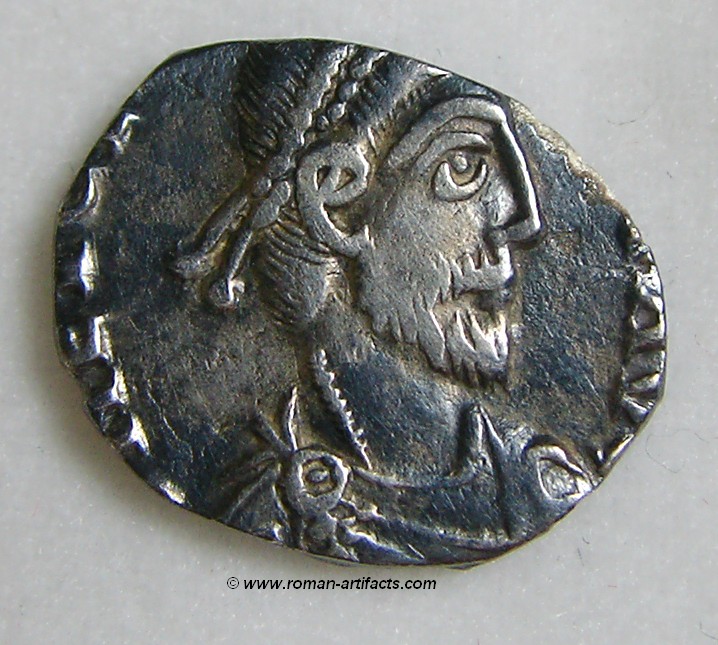
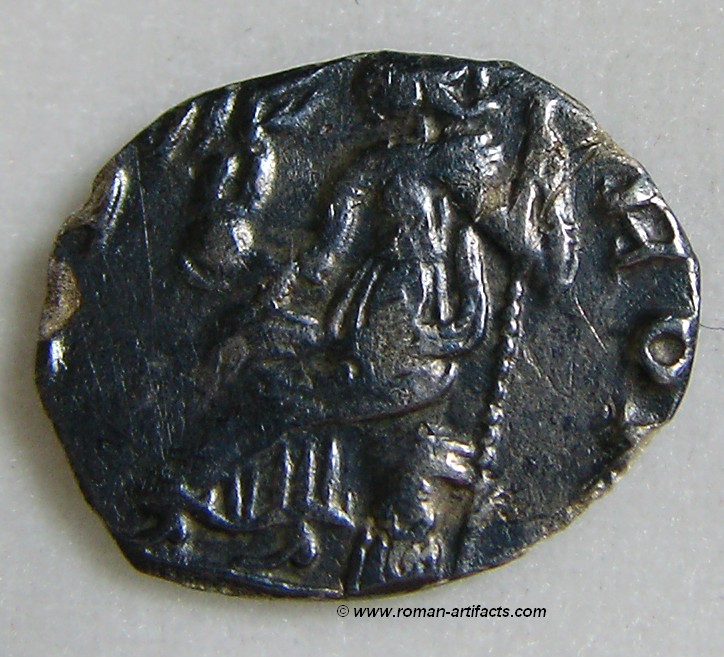
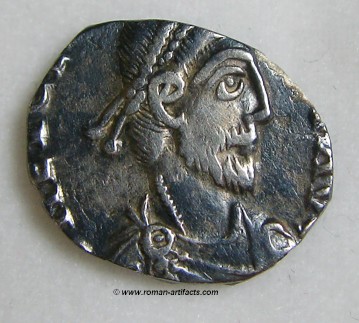
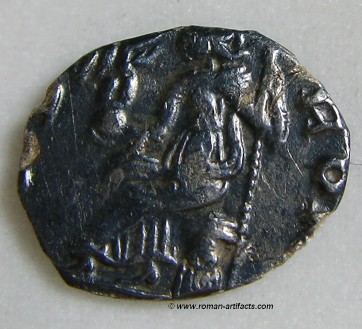
Eugenius (Augustus)
Usurper 392-395 AD
*History Note*
Eugenius lost the battle of Frigidus in 394 AD
against Theodosius I East army. The western army had heavy
losses which severely affected its ability to stop Barbarian
incursions. By 410 AD Rome was sacked by Gothic troops formally in
the Roman army as mercenaries.
A clipped 13mm Silver
Siliqua.
OBVS: DN EVGENI-VS PF AVG, bearded,
pearl-diademed, draped and cuirassed bust right /
REV: VRBS-ROMA, Roma, seated left on
cuirass, holding Victory on globe and inverted spear with barb.
Lyons Mint
RIC IX 46 (as reverse strike is identical)
However could also be Milan Mint RIC IX 32c due
to similar bust style.
(CLICK FOR LARGE PICTURES) |
|